Cham Islands (Cù Lao Chàm) Travel Guide (2026)
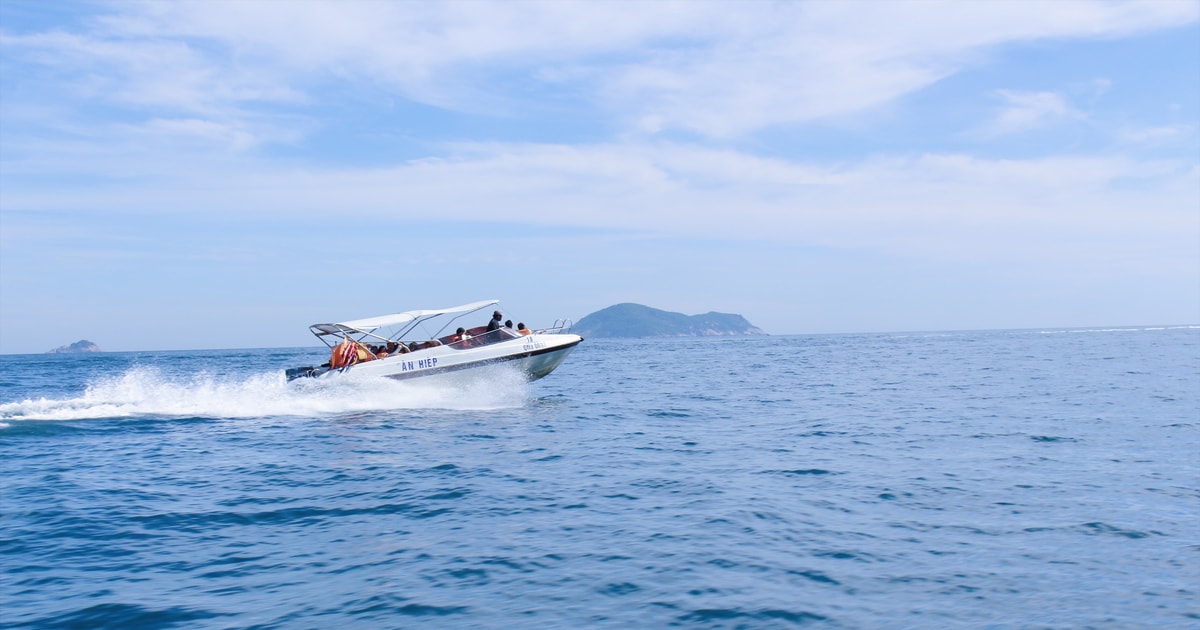
The Cham Islands (Cù Lao Chàm) are a group of eight small islands about 18–20 km off Hội An in central Vietnam, protected as a marine park and, since 2009, a UNESCO World Biosphere Reserve. Most visitors come on a day trip: a 15–30-minute speedboat ride from Cửa Đại pier, a snorkelling stop over the coral, a seafood lunch on Bãi Ông beach and a walk through Bãi Làng village. Go between March and August, when the sea is calm; from about September to February storms often stop the boats. Since the 2025 merger of Quảng Nam province into Da Nang, the islands belong to Tân Hiệp commune, Da Nang City. This guide covers what the islands are like, what a day there involves, the rules and fees (checked November 2026), and how to pick a tour.
Cham Islands at a glance
| Question | Short answer (checked Nov 2026) |
|---|---|
| Where | About 18–20 km off Hội An, Da Nang City (formerly Quảng Nam province) |
| Islands | Eight: Hòn Lao (the main, inhabited island) plus seven smaller islets |
| Protection | Cù Lao Chàm Marine Protected Area; UNESCO World Biosphere Reserve since 26 May 2009 |
| Getting there | Speedboat from Cửa Đại pier, about 15–30 minutes; tours pick up in Hội An and Da Nang |
| Visitor fee | 70,000 VND per person per visit since 10 June 2026 (usually included in tours) |
| Best months | March to August; September to February is storm season and boats are often cancelled |
| Tours | Snorkelling day trips on GetYourGuide from about $32 (Nov 2026) |
| Plastic | Don’t bring plastic bags – the islands have campaigned against them since 2009 |
What are the Cham Islands?
Cù Lao Chàm is a small archipelago in the South China Sea (the East Sea in Vietnam), facing the mouth of the Thu Bồn River at Hội An. The largest island, Hòn Lao, is a green, steep-sided island of about 13 km² rising to around 500 m, with a fishing community of roughly 3,000 people living along its western bays. The other seven – Hòn Dài, Hòn Mồ, Hòn Khô Mẹ, Hòn Khô Con, Hòn Lá, Hòn Tai and Hòn Ông – are uninhabited rocks and islets ringed by reef.
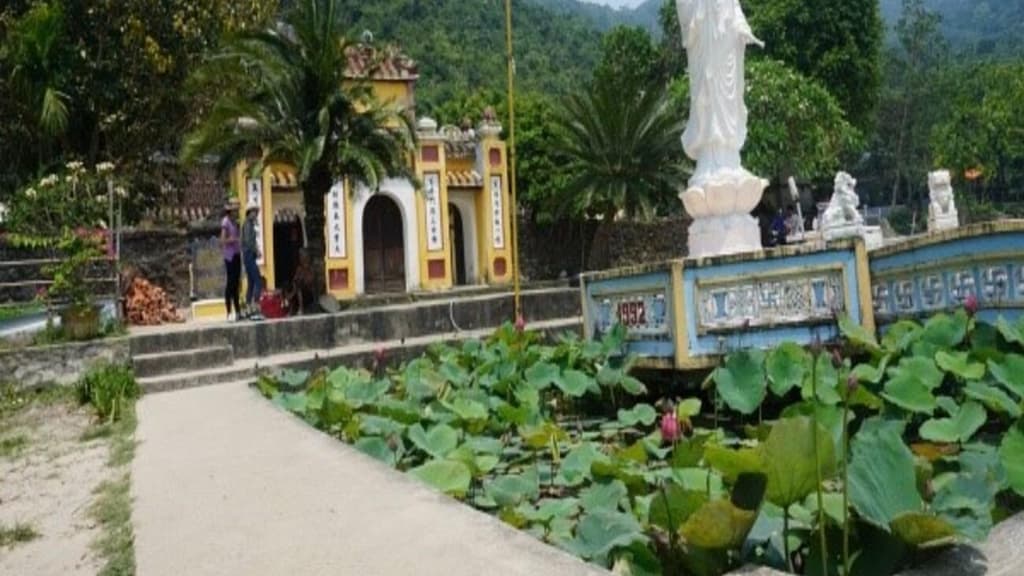
The islands were once a stop for trading ships heading to Hội An, and the Hải Tạng Pagoda, built in the 18th century at the foot of Hòn Lao’s western hill, date from that seafaring past. Today the waters around them form the Cù Lao Chàm Marine Protected Area, the core of a biosphere reserve that UNESCO recognised on 26 May 2009. The reserve covers 33,737 hectares – the islands, the surrounding sea and the land of Hội An itself.
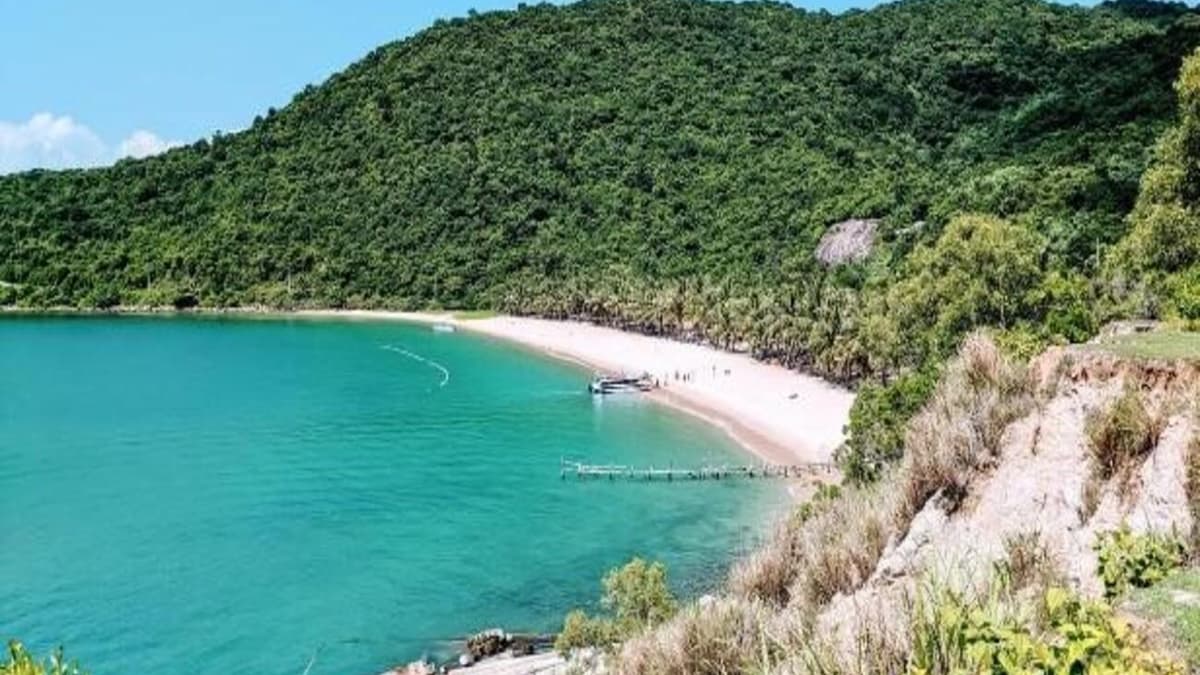
That protection is why people come. The reefs, though not pristine everywhere, are among the most accessible in central Vietnam, and the island has kept a slow, village feel: a few lanes, motorbikes, drying fish, a market by the harbour and beaches backed by forest.
A note on the 2025 merger: Quảng Nam is now part of Da Nang
On 1 July 2025 Vietnam merged its provinces, and Quảng Nam province was combined with Da Nang City. Hội An is no longer a separate city; it is now administered as wards of Da Nang, and the Cham Islands form Tân Hiệp island commune of Da Nang City. In practice little has changed for visitors – boats still leave from Cửa Đại in Hội An – but you will see “Da Nang” on new signs, fee notices and official news, and the new visitor fee was set by the Da Nang People’s Council.
What a day on the islands looks like
Nearly every tour follows the same rhythm, whichever operator you choose:
- Morning pickup from your hotel in Hội An or Da Nang, then a drive to Cửa Đại pier.
- Speedboat crossing of roughly 15–30 minutes, depending on the sea and the boat.
- Bãi Làng village: a short walk to the harbour market, the Hải Tạng Pagoda and, on some tours, the small Cù Lao Chàm museum.
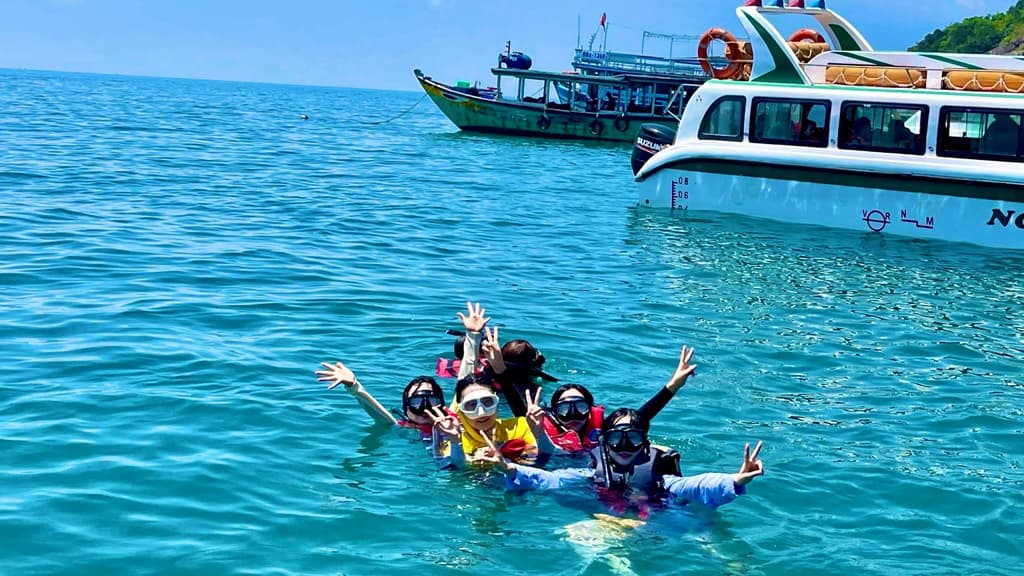
- Snorkelling at one or two reef spots, with masks, snorkels and life jackets provided.
- Lunch and beach time, usually seafood at a beachfront restaurant on Bãi Ông or Bãi Chồng, with time to swim or nap.
- Return to the mainland in the early or mid-afternoon.
Most tours run about 6–8 hours door to door. The full comparison of operators, prices and ratings is in our Cham Islands tours guide.
Snorkelling and diving
Snorkelling is the reason most people book. The reefs sit in shallow water close to the islands, so you can see coral gardens, small reef fish and sea urchins without diving. Around 135 coral species have been recorded in the archipelago. Visibility varies: on a calm morning in May or June it can be very good, but after rain or wind the water clouds quickly. Some tours also offer “sea walking” with a helmet, and there are guided scuba trips for beginners and certified divers. Snorkel spots, what you’ll see and the marine park rules are covered in detail in Cham Islands snorkelling.
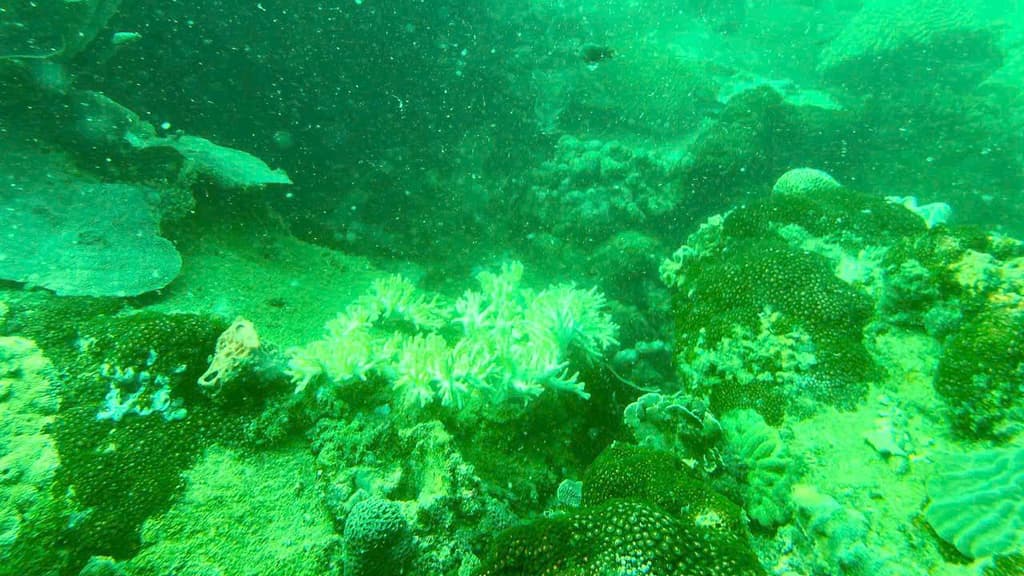
You slide off the side of the boat and the noise of the engine disappears. Below you, coral heads in brown, green and violet spread over the sand, and a school of small blue fish turns as one. The water is warm, the light moves in bands across the reef, and the island’s green hill rises just behind you when you lift your head.
Beaches on Hòn Lao
All the beaches are on the main island’s western and southern sides, sheltered from the open sea:
- Bãi Làng – the village beach and harbour, where boats land and most homestays are.
- Bãi Hương – a second fishing village to the south, quieter, with a few homestays.
- Bãi Ông – the main day-trip beach with restaurants, freshwater showers and loungers; many snorkel trips start here.
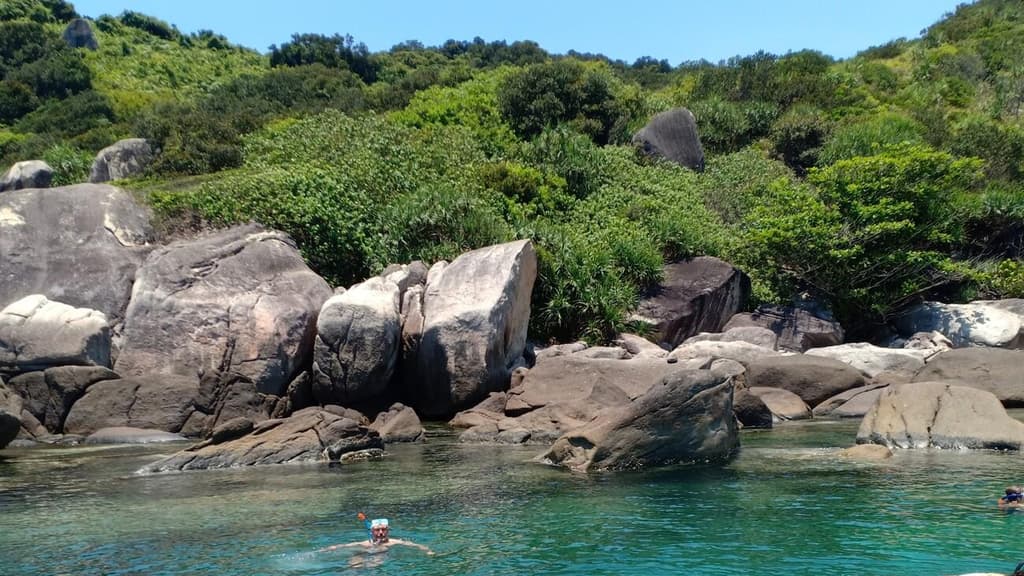
- Bãi Chồng – a small cove with big boulders, popular for lunch stops.
- Bãi Xếp and Bãi Bắc – quieter beaches; Bãi Bắc has been used for a sea-turtle hatchery programme since 2017.
Beaches are clean by regional standards because of the island’s waste rules, but expect fishing boats, some litter after storms and busy lunch hours at Bãi Ông in summer.
Rules, fees and the plastic-bag ban
The Cham Islands are a protected area, and the rules are real:
- Visitor fee: 70,000 VND per person per visit since 10 June 2026, set by Da Nang People’s Council Resolution 16/2026 and collected by the Cù Lao Chàm reserve management board. Children under 16, students, Vietnamese citizens aged 60+ and residents of Tân Hiệp are exempt, and entry is free for everyone on Tết, 29 March, 26 May and 2 September. Tours usually include the fee – check the listing.
- Plastic bags: the island launched its “Say No to Plastic Bags” campaign in 2009 and visitors are asked not to bring them. There is also a push against plastic straws and single-use plastics, and since 2025 visitors are encouraged to carry their own rubbish back to the mainland.
- Reefs: don’t stand on or touch coral, don’t feed fish and don’t collect shells or coral. Use a reef-friendly sunscreen or a rash vest.
- Weather: the Da Nang port authority suspends boats when the sea is rough. In July 2026 nearly 300 visitors had to stay on the island overnight after boats were stopped, and were taken back the next morning. If a storm is forecast, follow instructions to return early.
When to go
The season is short and clear-cut. March to August brings calm seas, sunshine and the best visibility; April to June is usually ideal. From September to February the rainy and storm season sets in: boats are often cancelled, sometimes for days, and many operators simply stop selling trips. Even in summer, wind can cancel a crossing at short notice. Month-by-month detail is in the best time to visit the Cham Islands.
| Period | Sea | Tours |
|---|---|---|
| March–May | Calm, clearing water | Running; quieter than summer |
| June–August | Mostly calm, hot | Peak season, busiest on weekends and holidays |
| September–October | Storms and typhoons possible | Often cancelled |
| November–February | Rough, north-east monsoon | Few or no tourist boats |
How to get there
All tourist boats leave from Cửa Đại pier, at the mouth of the Thu Bồn River east of Hội An’s old town. Licensed speedboats take about 15–30 minutes. The slow wooden “market boats” (tàu chợ) that take around 1.5 hours mainly carry cargo and island residents, not regular visitors. If you are staying in Da Nang, tours drive you to Cửa Đại first. A direct Da Nang–Cù Lao Chàm route was announced in 2024 but we could not confirm regular passenger services – check locally. Full details in how to get to the Cham Islands and Cham Islands from Da Nang.
Choosing a tour
There are around 35 Cham Islands tours on GetYourGuide (Nov 2026). They look alike, but group size, pickup and reviews differ a lot:
- Small Group Snorkeling Trip by Speedboat – the most reviewed snorkel trip (4.5 stars, about 690 reviews), smaller groups and a beach BBQ, from about $63.
- Cham Island Speedboat Tour with Snorkeling – 4.6 stars from about 390 reviews, pickup from Hội An or Da Nang, from about $39.
- Cham Islands Snorkeling Trip with Lunch – a good-value classic (4.5 stars, about 460 reviews), from about $35.
Some cheaper listings have weak reviews – one Da Nang “small-group” trip has an average of 1 star – so read recent reviews before you book.
Live prices
The most-booked Cham Islands trips.
Live tours from GetYourGuide
Prices and availability load from GetYourGuide once you allow it.
Speedboat day trips with reef stops and lunch.
Live tours from GetYourGuide
Prices and availability load from GetYourGuide once you allow it.
Fewer people on the boat; check the reviews.
Live tours from GetYourGuide
Prices and availability load from GetYourGuide once you allow it.
Pickup in Da Nang, boat from Cửa Đại.
Live tours from GetYourGuide
Prices and availability load from GetYourGuide once you allow it.
Scuba and sea walking – newer listings, few reviews.
Live tours from GetYourGuide
Prices and availability load from GetYourGuide once you allow it.
Staying overnight
Most people visit for the day, but you can sleep on Hòn Lao in a simple family homestay in Bãi Làng or Bãi Hương. Evenings are quiet: the day boats leave, fishermen mend nets, and you can walk the village lanes and eat at small local places. Rooms are basic and prices are low. There is also a 2-day, 1-night tour with homestay, but it has only three reviews averaging 2.6 stars, so many travellers prefer to arrange the boat and homestay themselves. See staying overnight on the Cham Islands.
The last speedboat has gone and Bãi Làng goes quiet. Boats rock at anchor in the bay, someone grills fish on a small stove, and the forested hill turns dark against an orange sky. You sit on the sea wall with a cold drink and listen to the waves on the stones.
Combining the islands with Hội An
A Cham Islands trip fits easily into two or three days in Hội An. Keep the island day flexible – if the sea is rough, swap it with an old town day. In the evening, a lantern boat trip on the Hoài River is the classic end to a day at sea. More ideas in things to do in Hội An.
Practical tips
- Bring cash in Vietnamese dong for drinks, snacks and the market; card payment on the island is limited.
- Take motion-sickness tablets if you are sensitive – the speedboats bounce in any swell.
- Pack swimwear under your clothes, a towel, a rash vest or reef-safe sunscreen, a hat and a reusable bag and bottle.
- Keep your phone in a dry bag on the boat.
- If you have heart or blood-pressure problems, ask your doctor before diving or sea walking.
FAQ
About 18–20 km off Hội An in central Vietnam. Since July 2025 they are part of Tân Hiệp commune, Da Nang City; boats leave from Cửa Đại pier in Hội An. 70,000 VND per person per visit since 10 June 2026. Children under 16 and students are exempt, and most tours include the fee (checked Nov 2026). Rarely. From about September to February storms and rough seas often stop the boats. March to August is the season. Yes, if the sea is calm: you get a boat ride, reef snorkelling, a village visit and a beach lunch in one day. Pick a tour with strong recent reviews. Please don’t. The islands have campaigned against plastic bags since 2009 and ask visitors to avoid single-use plastic and take rubbish back. A day trip of 6–8 hours covers the highlights. Stay overnight in a homestay if you want quiet evenings and early-morning snorkelling.Where are the Cham Islands?
How much is the Cham Islands entrance fee?
Can you visit the Cham Islands in winter?
Is a Cham Islands tour worth it?
Can I bring plastic bags to the Cham Islands?
How long do you need on the Cham Islands?