Cham Island Snorkelling (2026): Reefs, Rules & Best Tours
Cham Island snorkelling is easy, shallow and good for beginners: speedboat tours from Hội An and Da Nang stop at one or two reef sites inside the Cù Lao Chàm Marine Protected Area, where coral gardens and reef fish lie a few metres below the surface. Masks, snorkels and life jackets are included, visibility is best on calm mornings between March and August, and tours start from about $32 on GetYourGuide (Nov 2026). Sea walking and scuba diving are also offered. This guide covers what you’ll see, the marine park rules, the best tours and how to get the clearest water.
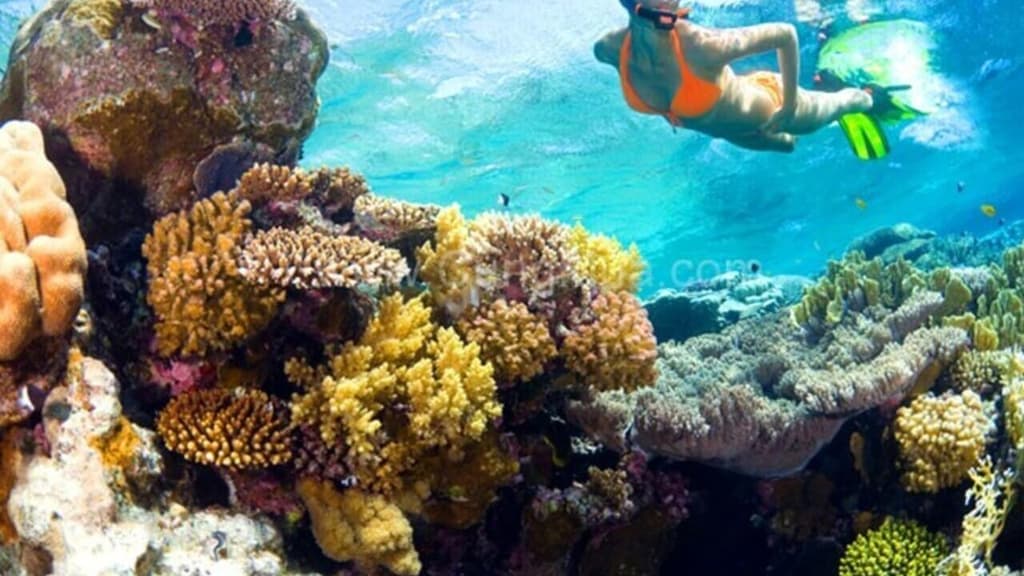
Why the reefs here are special
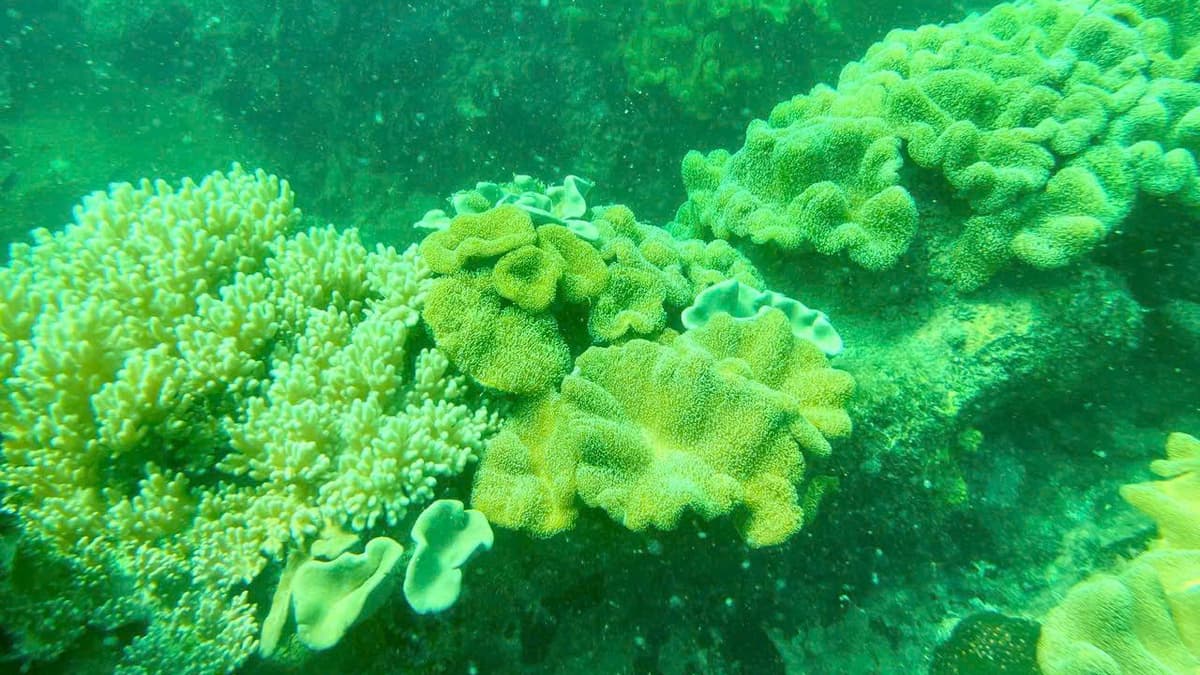
The waters around the eight Cham Islands form the Cù Lao Chàm Marine Protected Area, the core zone of the UNESCO World Biosphere Reserve recognised in 2009. A strictly protected core zone limits what can be taken from the sea, and the whole area is managed by a reserve board. Around 135 coral species have been recorded across roughly 165 hectares of reef, as well as molluscs and other reef life. The reefs are not untouched – storms, sediment from the river and heavy visitor numbers all take a toll – but for central Vietnam they are the most accessible coral within easy reach of a city.
What you see when you snorkel
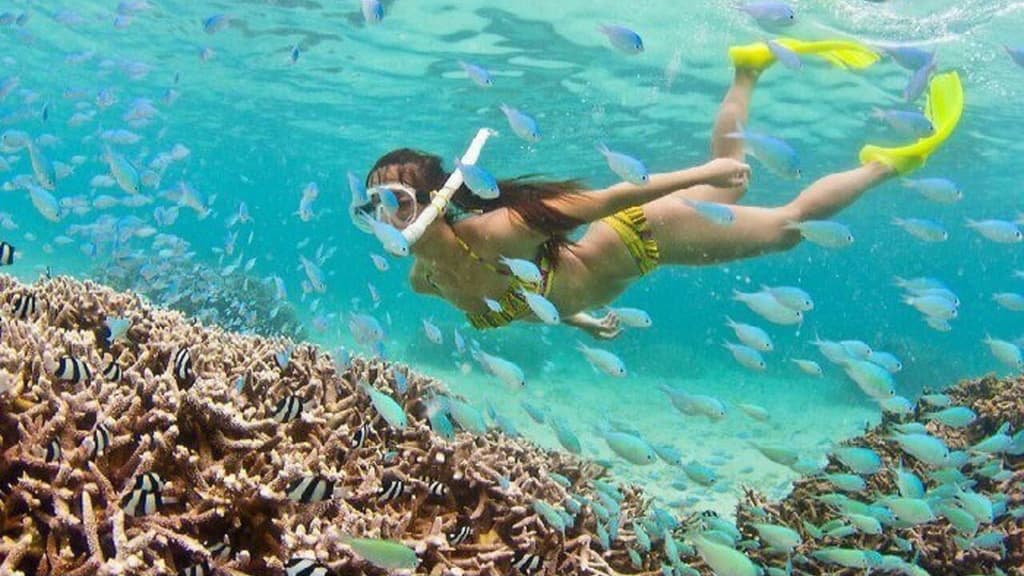
Most snorkel stops are on the sheltered sides of Hòn Lao and the smaller islets, over sloping reef in shallow water. Expect:
- Hard corals – branching, table and boulder shapes, in browns, greens and purples.
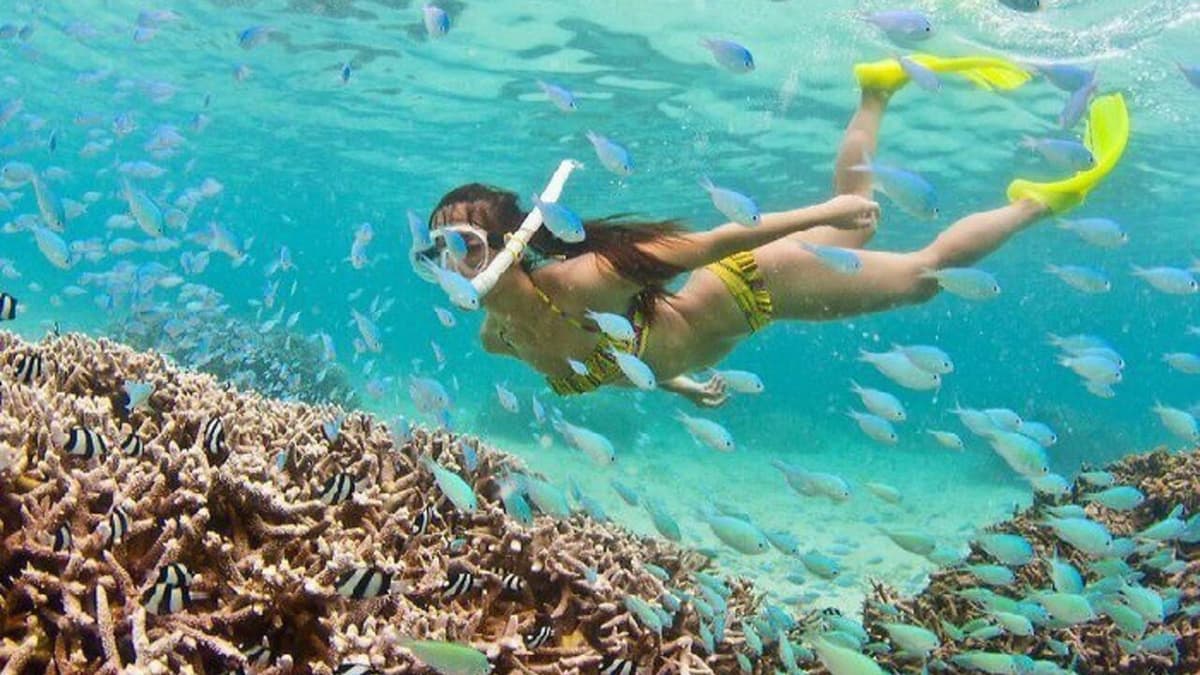
- Reef fish – small, colourful schooling fish around the coral heads, and larger fish in deeper patches.
- Sea urchins and other invertebrates on the rocks – one more reason not to stand on the bottom.
Don’t expect big animals such as turtles or sharks; sightings are rare. The appeal is the coral gardens themselves and how close they are to the surface.
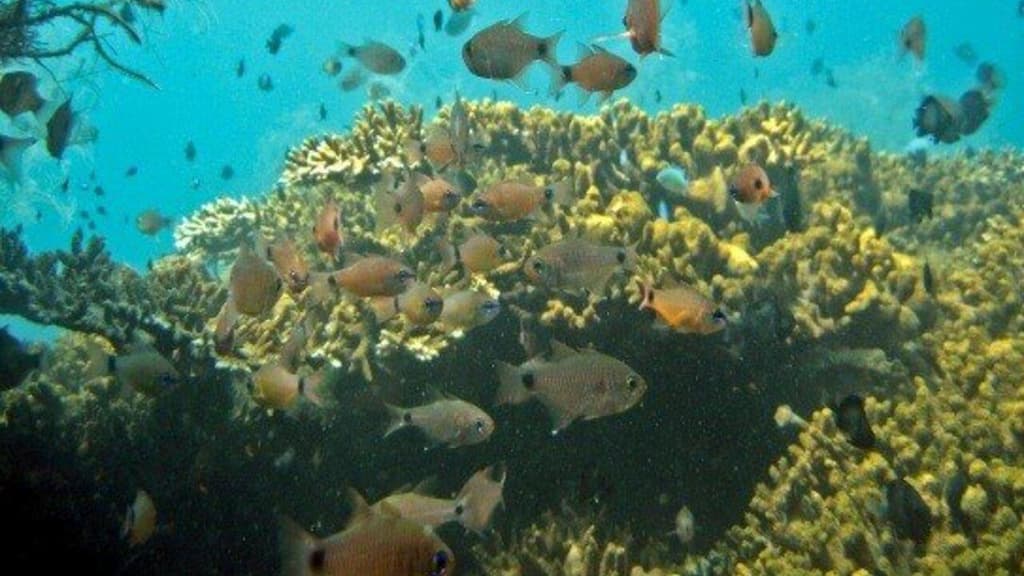
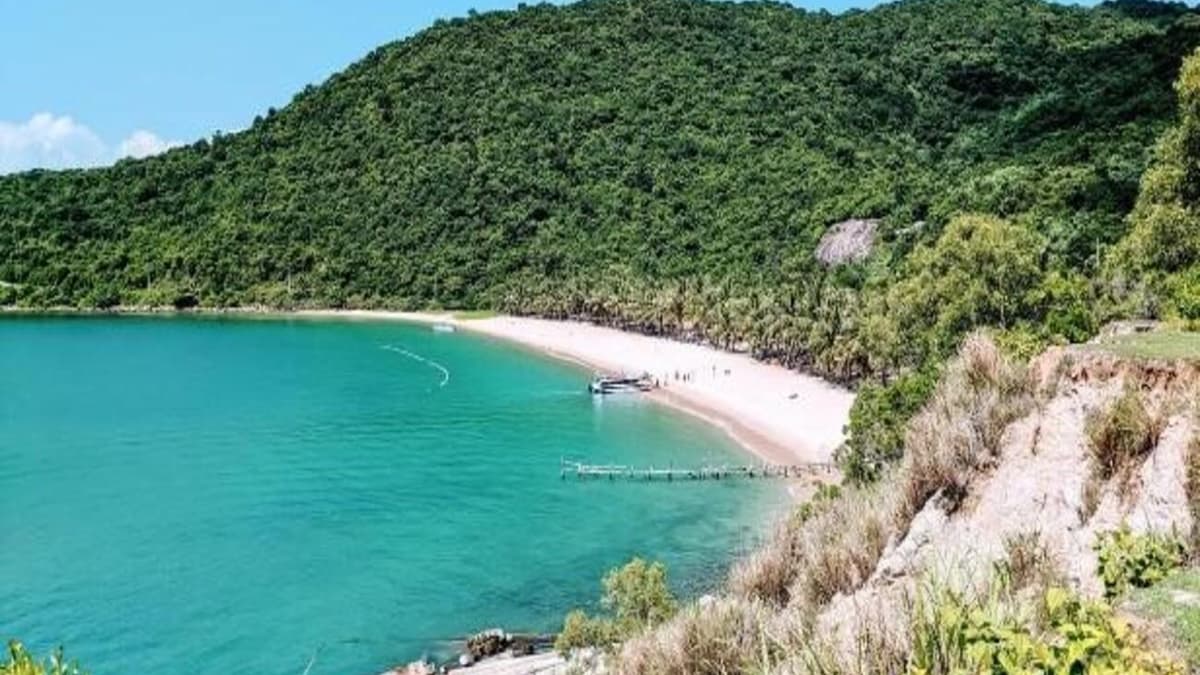
You float face down and the coral is right there, close enough to see each branch. Small fish weave in and out of it, flashing yellow and blue, and the only sound is your own breathing through the snorkel. When you lift your head, the island’s forested slopes are just across the water.
Best snorkelling tours
| Tour | From (USD, Nov 2026) | Rating | Notes |
|---|---|---|---|
| Small Group Snorkeling Trip by Speedboat | $63 | 4.5 (693) | Smaller groups, beach BBQ |
| Speedboat Tour with Snorkeling | $39 | 4.6 (386) | Reefs plus village visit and seafood lunch |
| Snorkeling Trip with Lunch | $35 | 4.5 (463) | Budget classic |
| Snorkeling by High-Speed Boat | $45 | 4.5 (71) | Gear provided, hotel transfers |
| Snorkeling with Optional Sea Walking | $20 | 4.6 (3) | Few reviews; sea-walk add-on |
For all operators, including weaker-rated ones, see Cham Island tours compared.
Live prices
Speedboat day trips with reef stops and lunch.
Live tours from GetYourGuide
Prices and availability load from GetYourGuide once you allow it.
Fewer people on the boat; check the reviews.
Live tours from GetYourGuide
Prices and availability load from GetYourGuide once you allow it.
Scuba and sea walking – newer listings, few reviews.
Live tours from GetYourGuide
Prices and availability load from GetYourGuide once you allow it.
Diving and sea walking
If snorkelling isn’t enough, there are two ways to go deeper:
- Sea walking – you wear a weighted helmet fed with air from the boat and walk on the sea bed. No diving experience needed. The Cu Lao Cham snorkelling tour with optional sea walking offers it as an add-on.
- Scuba diving – guided “try dives” for beginners and fun dives for certified divers. The instructor-guided diving trip is new on GetYourGuide with no reviews yet; the Da Nang diving and snorkelling tour has one 3-star review. Ask any operator about certification, group size and equipment before you book.
According to VnExpress, snorkelling, sea walking or diving sessions booked on the island cost roughly 200,000 VND to 1 million VND per session (checked Nov 2026). If you have heart or blood-pressure problems, check with a doctor before diving or sea walking.
Marine protected area rules
Your tour guide will brief you, but these are the basics:
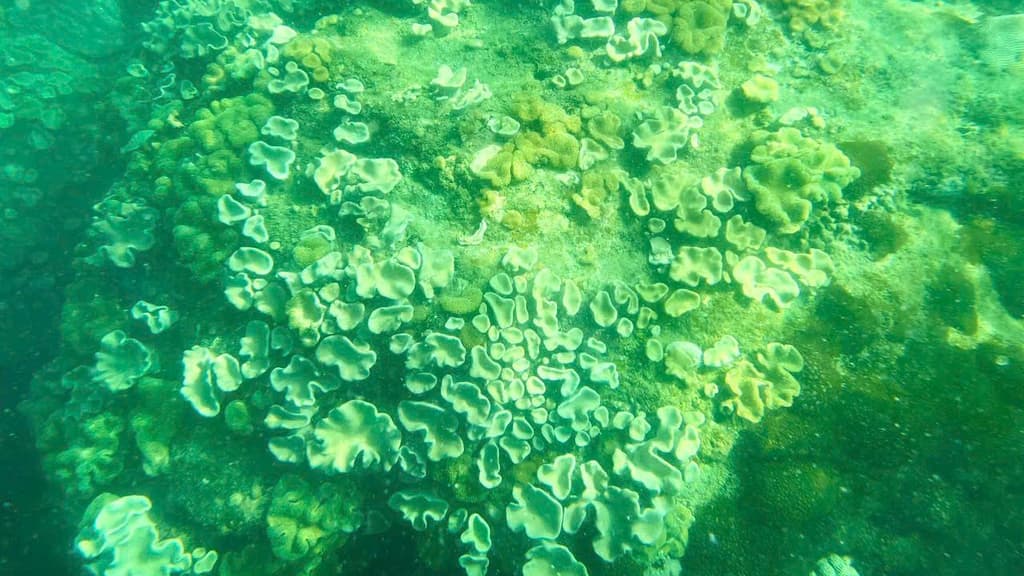
- Don’t stand on, touch or kick the coral – many corals die from a single footstep. If you need a rest, float or hold onto the boat line.
- Don’t feed the fish and don’t take anything – shells, coral or animals – from the sea.
- Wear a life jacket if you are not a confident swimmer; most tours insist on one.
- Use reef-safe sunscreen, or better, a rash vest or long-sleeved swim top.
- Don’t bring plastic bags to the islands, and carry your rubbish back to the mainland. The island has campaigned against plastic bags since 2009.
- Pay the visitor fee – 70,000 VND per person per visit since 10 June 2026 – which goes to the reserve management board. Most tours include it.
When visibility is best
Water clarity depends on the weather. The season runs from March to August, with April to June often the clearest. After heavy rain, the Thu Bồn River pushes brown water out to sea and visibility drops; strong wind stirs up sediment too. From about September to February the storm season usually stops the boats altogether. Early-morning departures tend to have calmer water and fewer boats at the reef. More in the best time to visit the Cham Islands.
Tips for a good snorkel
- Test your mask on the boat: press it to your face and breathe in through your nose – if it stays put, it fits.
- Bring your own mask if you have one; tour masks are basic.
- Spit on the inside of the lens or use anti-fog to stop it misting.
- Stay with your group and within sight of the boat – there is boat traffic around the reefs.
- Seasick on the way? It usually passes once you’re in the water.
- Want more time underwater? Stay overnight and snorkel off the beach early, before the day boats arrive – see staying overnight.
FAQ
Yes for beginners: shallow coral gardens and reef fish close to the surface. It is not world-class diving, and visibility drops after rain or wind. It helps, but tours provide life jackets and you can float in one the whole time. Tell the guide if you are not confident. Yes. Guided try dives and fun dives run in the season; on GetYourGuide the diving listings are new or have very few reviews (Nov 2026). From March to August, ideally April to June on a calm morning. Boats rarely run from September to February. No. The reefs are in a marine protected area – don’t touch, stand on or collect anything.Is the snorkelling good on the Cham Islands?
Do I need to be able to swim to snorkel at Cham Island?
Can you scuba dive at the Cham Islands?
When is the best time to snorkel at Cham Island?
Can I touch the coral?